Stainless steel containers also have grades!

[gmp]

Smart selection of stainless steel containers by application

Three points that determine the grade of stainless steel containers

Stainless steel is a corrosion-resistant steel that contains 11% or more chromium in iron and forms a passive film
(oxide film) on the surface to improve corrosion resistance. It is also excellent in durability, fire resistance,
low-temperature properties, and workability. Based on these characteristics, stainless steel containers have also
been used for storage, storage, and transportation in the pharmaceutical industry.

However, storage and transportation have different usage purposes. If the environment and usage are different, the
appropriate quality of stainless steel container is necessary.

Yes, that’s right! There are different grades of stainless steel
containers.
So, what are the three points that determine the grade of stainless steel containers?!

1. Material selection

point1

There are said to be over 100 types of stainless steel materials due to differences in structure and composition.
Different materials have different properties such as high strength, corrosion resistance, heat resistance,
seawater resistance, and formability. The choice of material affects the application and quality of the product.

2. Welding technique

point2

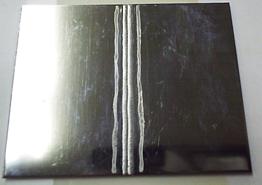
There are containers that have been welded smoothly and without gaps, including vertical welding for the main
body, bottom welding, and flange and handle parts, and those that have not.
Even with the same material, the quality can vary depending on the welding technique.

3. Surface Treatment Technology
point3

Even surfaces that appear smooth at first glance actually have tiny irregularities. The quality of the surface
treatment depends on how smooth these irregularities are and whether any polishing materials or oils remain. The
quality is affected by techniques such as buff polishing and electrolytic polishing.

We believe it is our mission to
propose the optimal quality of stainless steel containers that meet your site’s needs.

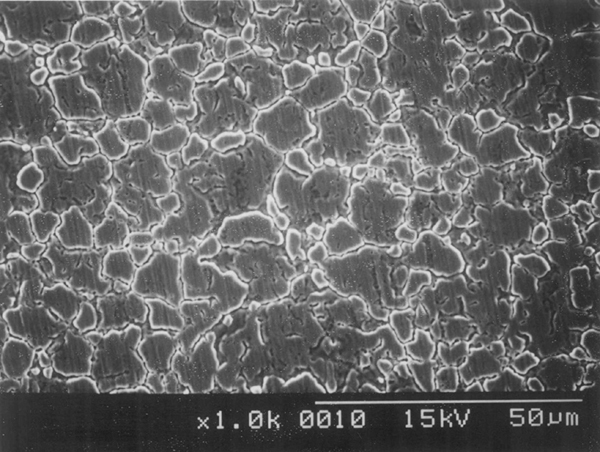
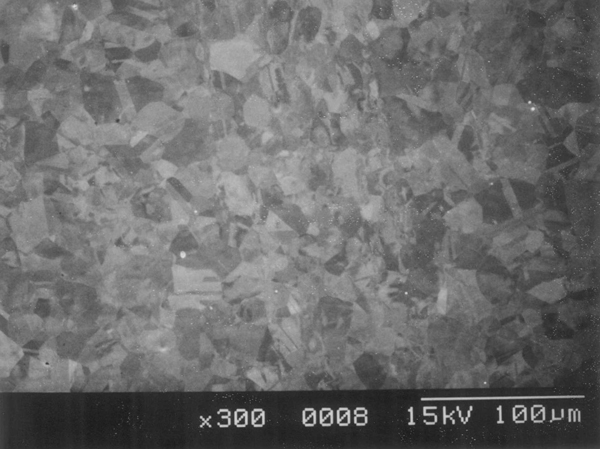
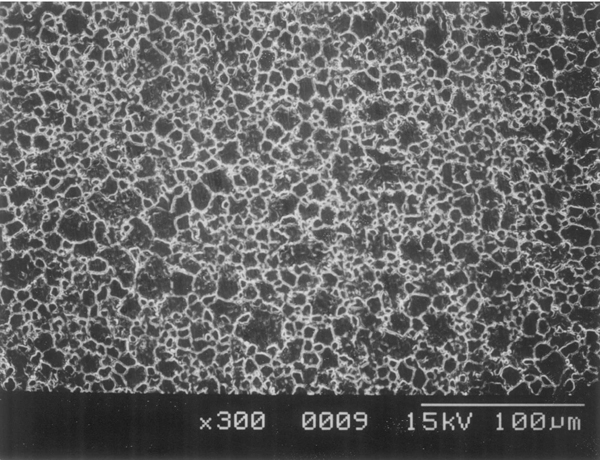
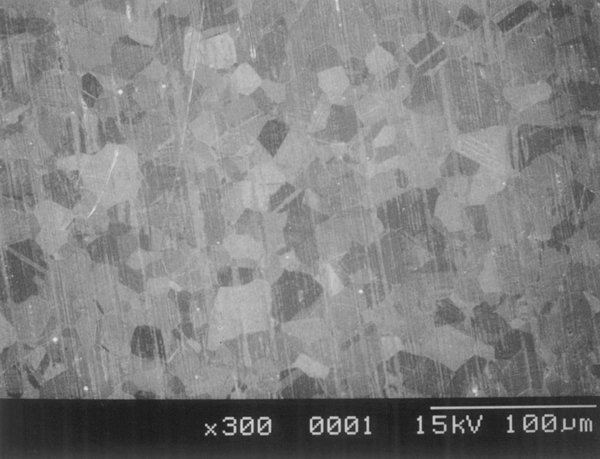
SEM images of stainless steel surfaces

316L/2B
Material

Stainless steel material commonly used in the pharmaceutical industry for equipment
316l2b_1
316l2b_2
Surface state with distinct roughness and unevenness
Easily attracts impurities and difficult to clean
Fingerprints easily visible and difficult to remove
ya
High-grade electrolytic polishing
316l2b_3
316l2b_4

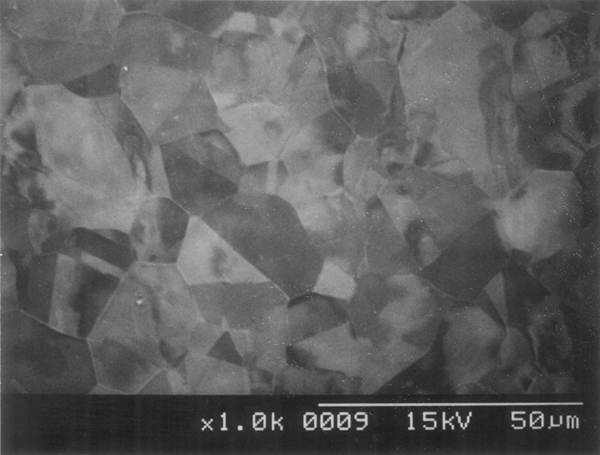
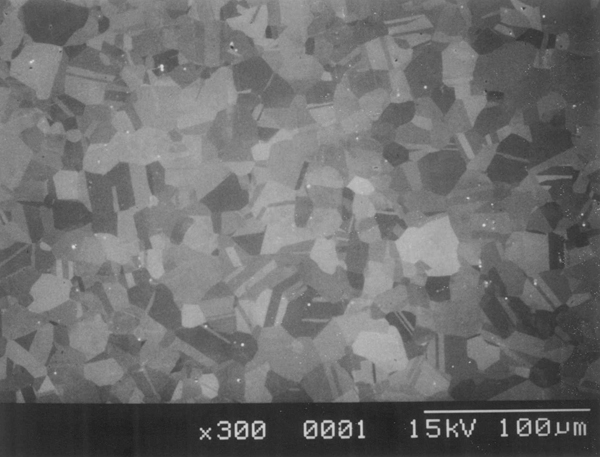
316L/BA Material
Stainless steel material carefully selected by our company as a dedicated material for containers in
the pharmaceutical industry.
316lba_1
316lba_2
A flat surface with visible, clean metal crystals compared to 2B material.Fingerprints can be easily wiped off even when touched by hand.

ya
High-grade electrolytic polishing
316lba_3
316lba_4


By performing high-grade electrolytic polishing, the rough surface of
stainless steel becomes smoother, and the carefully selected materials become even smoother. In addition,
rubbed-in dirt is also dissolved, and the metal crystals are clearly visible. Even when wiped with a white
cloth, no dirt such as buffing powder adheres.


Low-grade electrolytic polishing

In general electrolytic polishing, the rough unevenness of the material cannot be completely removed, and the dirt
that has entered into it remains. The surface does not have a whitish shine.

ep1s
ep2s

For more information on electrolytic polishing, please click here.

Buff Polishing


bafu1s

The surface is flattened by brushing with a buff in the same direction, which creates scratches. Although it has
a glossy appearance, the surface is covered in a large amount of buffing powder and oil. To remove the ingrained
oil and abrasive, it is necessary to wash the surface multiple times.

By performing high-grade electrolytic
polishing, the surface becomes even smoother and
ingrained dirt is also removed.

For more information on buffing, please click here.

Choosing the Right Stainless Steel Material

The properties of stainless steel vary depending on the constituent elements and crystal structure of the material,
as well as processing and heat treatment conditions.

SUS304

This is our standard material. The most widely used steel, it is used in a wide range of applications from household
items to nuclear power. It has excellent corrosion resistance, ductility, and is suitable for deep drawing and
bending. It is used in food and general scientific equipment, building materials, paper industry, automotive
industry, kitchenware, etc.

SUS316

Compared to 304, it exhibits excellent corrosion resistance and pitting corrosion resistance in various neutral
chloride environments (NaCl, K?SO?, etc.), including seawater. It is used in the petroleum and chemical industry,
dyeing industry, textile industry, and food industry.

SUS316L

This is our specialized material for pharmaceutical industry containers. SUS316 was made into a lower carbon steel
and its corrosion resistance and pitting resistance were further improved. It also has minimal metal ion
dissolution. It is suitable for applications where post-weld solution heat treatment is difficult. It is mainly used
in the pharmaceutical and semiconductor industries.

Advantages of SUS316L material

304
Corrosion near the welding part of SUS304 material

Limiting the total amount of chromium carbide precipitation caused by welding: for solvents that promote
corrosion near the welding parts or welding areas, it has a higher corrosion resistance. The surface is flatter
and fingerprints can be easily wiped off by hand.

Molybdenum (Mo) added: Improves corrosion resistance against full-face corrosion caused by non-oxidizing acids
such as hydrochloric acid, sulfuric acid, phosphoric acid, and organic acids.

We are also very particular about the quality of scratches and other defects.

For more information on SUS316L, please click here.