
Are Plastic Containers Really Safe to Use?
Reasons Why Pharmaceutical Manufacturers Have Stopped Using Plastic Containers
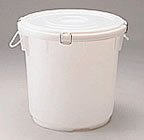
Why have plastic containers become obsolete?
It is because they pose the following risks:
1. The rough surface of plastic containers can introduce foreign
substances.
2. It is difficult to determine if the containers are effectively
cleaned.
3. Plastic containers are not recyclable (or difficult to
recycle).
Despite these risks, there is still a current situation where plastic containers are
used for storage, handling, and transportation purposes, which are outside the scope of pharmaceutical
GMP.Is this really acceptable?
We Conducted a Swab Test on Stainless Steel Containers and Plastic Containers
Test Method

1. Draw text on the surfaces of stainless steel containers and plastic (polyethylene) containers using an
oil-based marker.
2. Allow the ink to dry for 30 minutes.
3. Use alcohol or similar substance to swab the surface and check for ink residue.
The left side shows the stainless steel container, and the right side shows the resin (polyethylene) container.
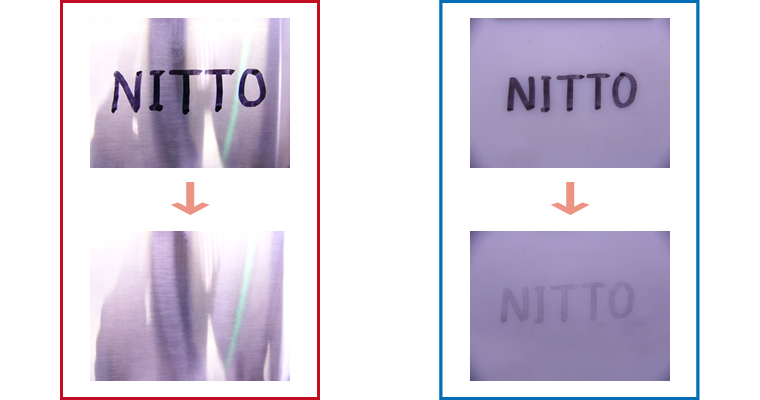
The stainless steel container was able to be wiped clean, but the resin (polyethylene) container had slight ink
residue.
From these results, it is clear that
resin containers should not be used in environments where quality assurance is important.
In the pharmaceutical industry, there is an increasing demand for stainless steel containers to comply with
management regulations such as ISO and pharmaceutical GMP. Particularly, the adoption of electropolishing (EP) has
become more prominent among major pharmaceutical manufacturers.
Stainless Steel Containers for HACCP Compliance
Even in the food industry, there is a high level of emphasis on hygiene management related to “food safety,” such as
HACCP. As part of these efforts, a shift from resin containers to stainless steel containers has been taking place.
What is HACCP?
HACCP (Hazard Analysis and Critical Control Points) is a system that identifies potential hazards at every stage,
monitors and records critical control points to prevent the occurrence of hazards, and enables prompt actions and
prevention of shipping defective products.
Why is the transition to stainless steel containers progressing?
This is because stainless steel is a strong and corrosion-resistant material, and it has excellent fire resistance,
low-temperature characteristics, processability, and hygiene. Furthermore, it is 100% recyclable and does not
produce dioxins.
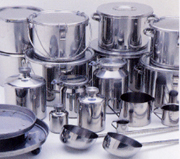
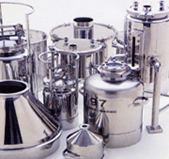
Stainless steel containers have the following characteristics:
- Smooth surface without crevices
- Recyclable and environmentally friendly
- Durable and resistant to rust due to its metal composition
Our stainless steel containers also have additional features:
- Welding techniques prevent liquid or powder accumulation in the edges and
handles - Use of specially developed stainless steel material enables finishing comparable
to buff polishing - The use of thin stainless steel sheets allows for lightweight containers
The Most Used Stainless Steel Containers in Pharmaceutical Manufacturing
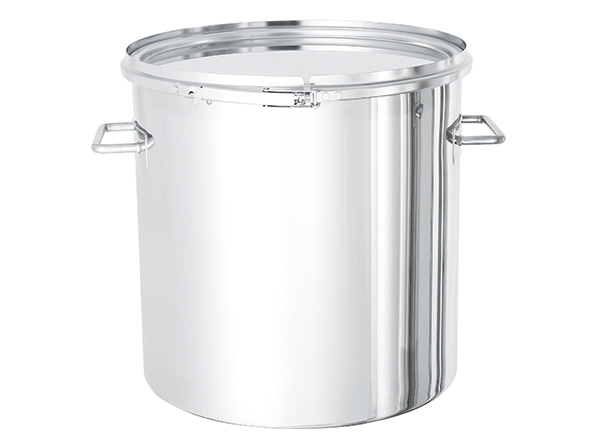
Containers used for storage, handling, and transportation, which greatly impact the quality of pharmaceuticals,
should be managed at the same level as the production process of active ingredients and formulations. We highly
recommend the all-stainless sealed container “SMA-CTL-47H”, which is widely
adopted by pharmaceutical manufacturers.